激活函数与损失函数:神经网络的动力引擎与导航系统



在神经网络的宇宙中,激活函数和损失函数如同双子星座,共同驱动着智能系统的进化。它们看似相似却肩负着截然不同的使命——一个赋予神经元非线性思考能力,另一个则为整个网络指明优化方向。本文将深入剖析这对神经网络核心组件的本质区别与协同机制。
一、本质区别:角色定位的哲学差异
1.1 激活函数:神经元的思考方式
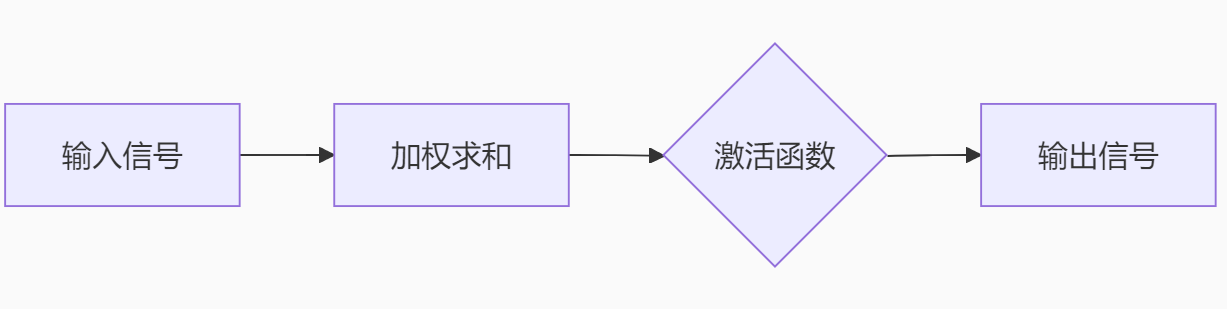
核心使命:决定神经元是否激活以及激活程度
运作位置:单个神经元内部
数学本质:非线性变换函数
output=f(∑w i x i +b)
1.2 损失函数:网络的导航系统
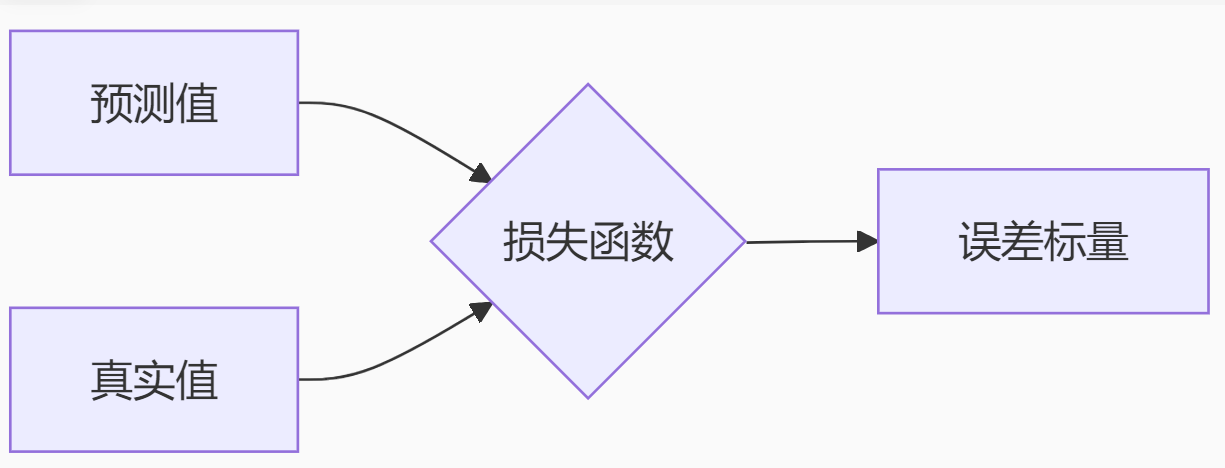
核心使命:量化预测与现实的差距
运作位置:整个网络输出端
数学本质:距离度量函数
L=g(y true ,y pred )
二、功能差异:微观激活 vs 宏观导向
2.1 激活函数的四大功能
- 引入非线性:突破线性模型的局限
output = w2*(w1*x + b1) + b2 = (w2*w1)*x + (w2*b1 + b2)2. 特征空间变换:将数据映射到可分空间
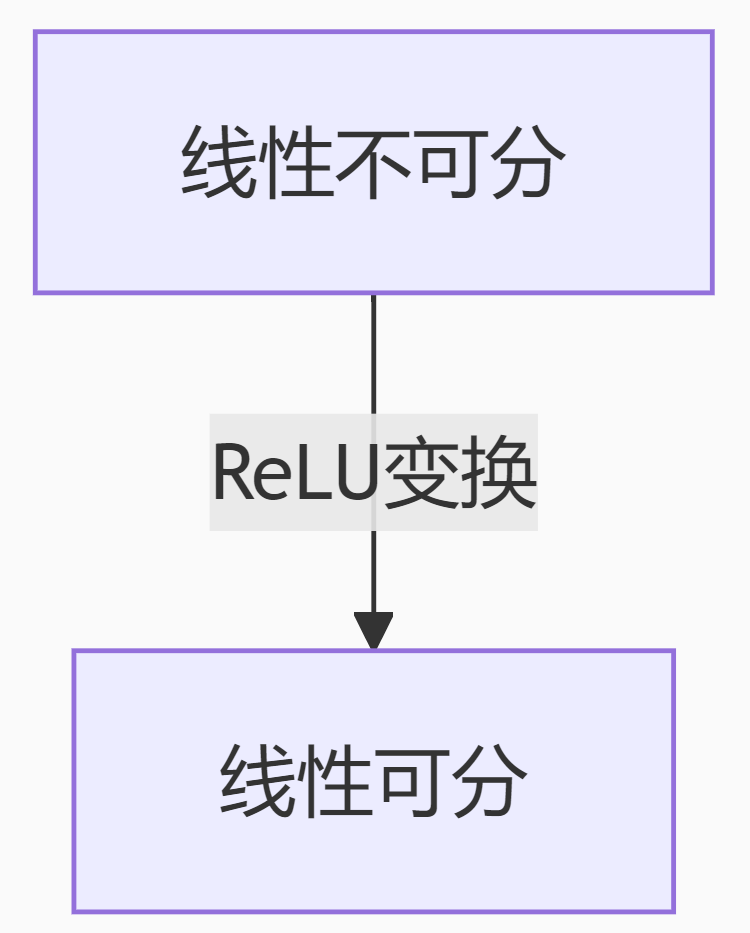
3. 控制输出范围:
函数 | 输出范围 | 适用场景 |
|---|---|---|
Sigmoid | (0,1) | 概率输出 |
Tanh | (-1,1) | 标准化特征 |
Linear | (-∞,∞) | 回归输出 |
4. 梯度调控:
# ReLU的梯度控制
def relu_derivative(x):
    return 1 if x > 0 else 0
2.2 损失函数的三大使命
- 性能量化:为优化提供明确目标
# 回归问题
MSE = np.mean((y_true - y_pred)**2)

# 分类问题
CrossEntropy = -np.sum(y_true * np.log(y_pred))
2. 导向学习重点:
- 类别不平衡:Focal Loss
- 边界敏感:Hinge Loss
3. 正则化引导:
L total =L data +λL reg
三、类型体系:百花齐放的函数家族
3.1 激活函数全景图
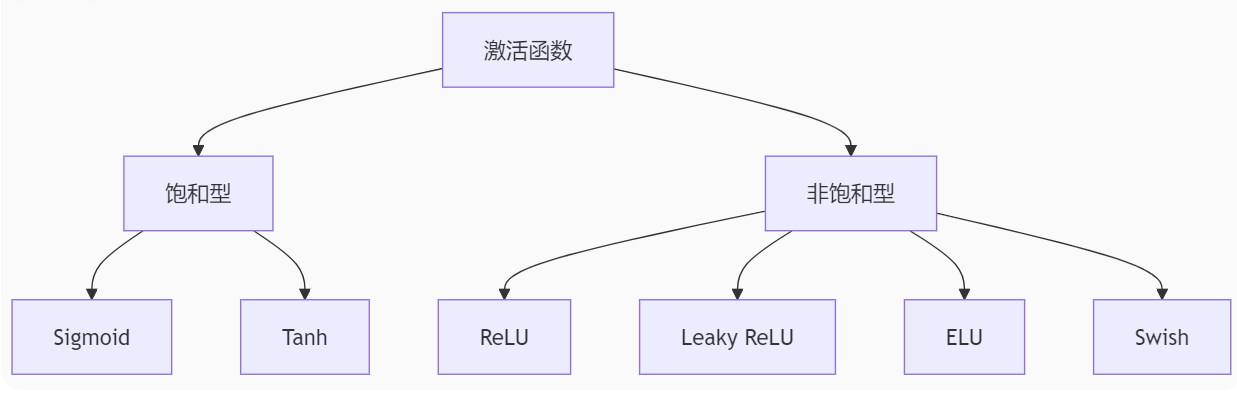
进化趋势:
- 1980s:Sigmoid/Tanh主导
- 2012:ReLU革命(ImageNet突破)
- 2020s:Swish等自门控激活函数
3.2 损失函数分类体系
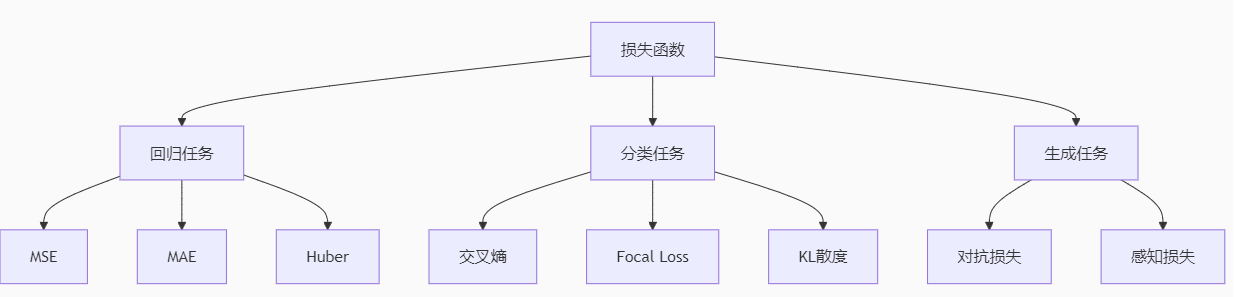
选择矩阵:
任务类型 | 首选损失函数 | 备选方案 |
|---|---|---|
二分类 | 二元交叉熵 | Hinge Loss |
多分类 | 分类交叉熵 | KL散度 |
回归 | MSE | Huber Loss |
目标检测 | Focal Loss | 交并比损失 |
生成对抗 | 最小二乘损失 | Wasserstein距离 |
四、位置差异:神经网络中的时空坐标
4.1 激活函数的时空位置
class NeuralNetwork:
    def __init__(self):
        self.layer1 = Dense(128, activation='relu')  # 隐藏层激活
        self.layer2 = Dense(10, activation='softmax') # 输出层激活

    def forward(self, x):
        x = self.layer1(x)  # 此处应用ReLU
return self.layer2(x) # 此处应用Softmax关键位置:
- 隐藏层之间
- 最终输出层
- 残差连接后(如ResNet)
4.2 损失函数的计算位置
model.compile(
    optimizer='adam',
    loss='categorical_crossentropy',  # 损失函数在此定义
    metrics=['accuracy']
)

history = model.fit(
    X_train, y_train,
    validation_data=(X_val, y_val)  # 损失在此计算
)计算时机:
- 前向传播结束后
- 每个batch训练时
- 验证和测试阶段
五、梯度行为:反向传播中的不同角色
5.1 激活函数的梯度贡献
# 反向传播片段
def backward(self, dout):
    # 损失函数梯度传入
    dinput = dout * self.activation_derivative(self.cache)
return dinput梯度特性:
- 局部性:仅影响当前神经元
- 非线性:决定梯度消失/爆炸行为
- 典型问题:ReLU死亡神经元
5.2 损失函数的梯度起点
全局影响:
- 损失函数梯度是反向传播的第一推动力
- 决定整个网络的优化方向
- 不同损失函数产生不同梯度景观
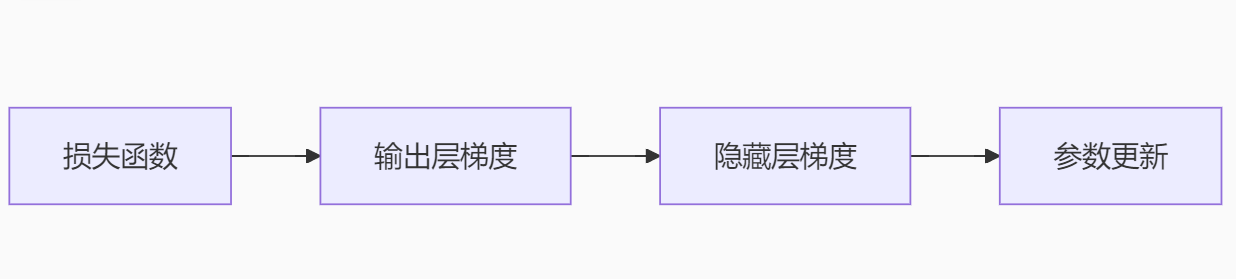
六、协同机制:深度学习的动力循环
6.1 实际案例:MNIST分类网络
# 架构定义
model = Sequential([
    Dense(512, input_shape=(784,), activation='relu'),  # 激活函数
    Dense(256, activation='relu'),
    Dense(10, activation='softmax')
])

# 损失函数配置
model.compile(loss='categorical_crossentropy',  # 损失函数
              optimizer='adam',
              metrics=['accuracy'])

# 训练循环
model.fit(X_train, y_train,
          epochs=10,
          batch_size=128,
validation_split=0.2)协作效果:
- ReLU激活:快速提取特征
- Softmax激活:输出概率分布
- 交叉熵损失:精准衡量概率误差
七、高级应用:现代架构中的创新融合
7.1 Transformer中的激活-损失协同
# Transformer块
class TransformerBlock(Layer):
    def call(self, inputs):
        # 自注意力
        attn_output = MultiHeadAttention()(inputs)
        # 激活函数
        x = LayerNormalization()(inputs + attn_output)
        # 前馈网络(含激活)
        ffn_output = Dense(units=ff_dim, activation='relu')(x)
        ffn_output = Dense(units=embed_dim)(ffn_output)
        # 损失函数(训练时)
        return LayerNormalization()(x + ffn_output)

# 损失函数
loss = SparseCategoricalCrossentropy(from_logits=True)
7.2 生成对抗网络(GAN)的双重损失
# 判别器损失
d_loss_real = bce(tf.ones_like(real_output), real_output)
d_loss_fake = bce(tf.zeros_like(fake_output), fake_output)
d_loss = d_loss_real + d_loss_fake

# 生成器损失
g_loss = bce(tf.ones_like(fake_output), fake_output)  # 欺骗判别器
八、选择艺术:实践中的黄金法则
8.1 激活函数选择指南
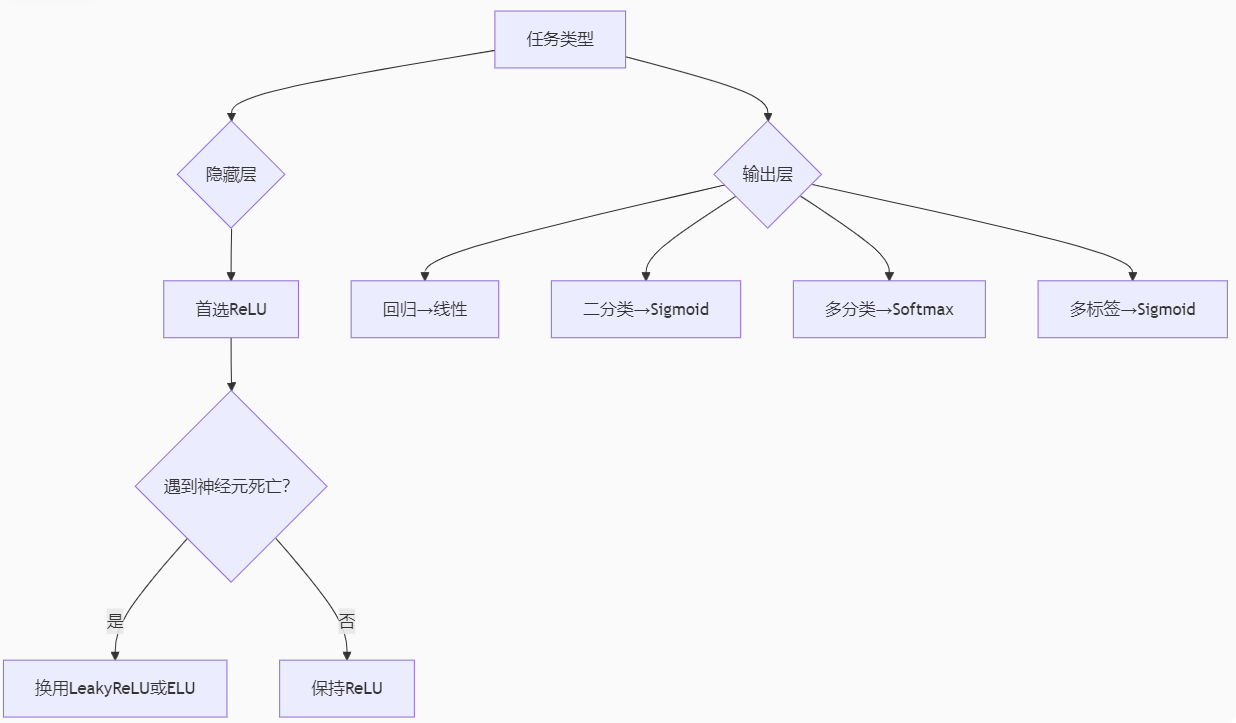
8.2 损失函数选择矩阵
问题类型 | 数据特性 | 推荐损失函数 | 激活函数配合 |
|---|---|---|---|
二分类 | 平衡 | 二元交叉熵 | Sigmoid |
二分类 | 不平衡 | Focal Loss | Sigmoid |
多分类 | 单标签 | 分类交叉熵 | Softmax |
多分类 | 多标签 | 二元交叉熵 | Sigmoid |
回归 | 高斯分布 | MSE | 线性 |
回归 | 离群点多 | Huber Loss | 线性 |
回归 | 分位数预测 | Quantile Loss | 线性 |
九、本质思考:智能涌现的数学基础
9.1 神经网络的二元动力
- 激活函数:微观层面的信息处理器
- 损失函数:宏观层面的目标导向器
二者共同构成达尔文式进化系统:
- 前向传播:多样性生成(激活函数)
- 损失计算:环境选择压力
- 反向传播:适应性进化
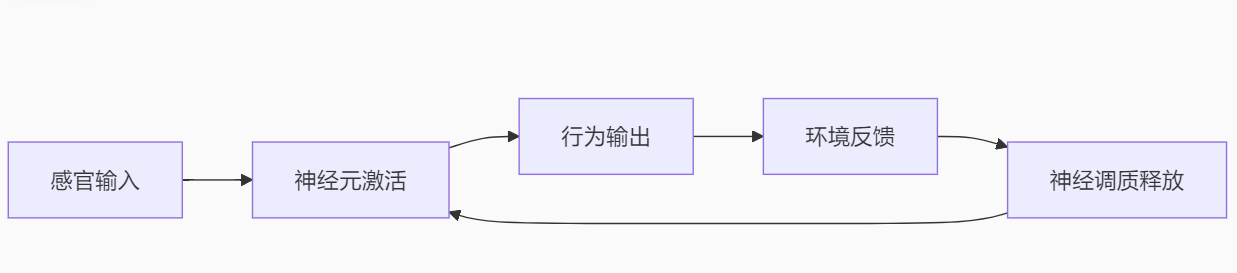
9.2 认知科学的启示
人脑的类比:
- 激活函数 → 神经元放电模式
- 损失函数 → 多巴胺奖励信号
十、未来方向:可微分编程的新边疆
10.1 激活函数的进化
- 可学习激活函数:
class LearnableActivation(Layer):
    def build(self, input_shape):
        self.a = self.add_weight(shape=(1,), initializer='ones')
        self.b = self.add_weight(shape=(1,), initializer='zeros')

    def call(self, inputs):
        return self.a * tf.nn.relu(inputs) + self.b
2. 注意力激活:动态调整激活阈值
10.2 损失函数的革新
- 元学习损失:
# 学习损失函数本身
meta_loss = MetaLearner()(y_true, y_pred)
2. 多目标损失:
L=∑ i w i L i s.t.∑w i =1
结语:神经网络的双生火焰
激活函数与损失函数这对"神经网络双生子"的完美协作,创造了从MNIST手写识别到AlphaFold蛋白质预测的人工智能奇迹。它们的本质区别恰是其强大力量的来源:
- 激活函数是创造者:通过非线性变换开拓特征空间的可能性边疆
- 损失函数是审判者:以严苛标准塑造网络的能力边界
"深度学习的艺术,在于激活函数的想象力与损失函数的严格性的精妙平衡。" —— Yann LeCun
理解这对伙伴的差异与协同,是掌握深度学习核心的钥匙。当你在TensorFlow中调用activation='relu'或在PyTorch中设置loss=nn.CrossEntropyLoss()时,正是在指挥这支交响乐团,奏响智能时代的乐章。
本文参与 腾讯云自媒体同步曝光计划,分享自作者个人站点/博客。
原始发表:2025-07-10,如有侵权请联系 cloudcommunity@tencent.com 删除
目录
腾讯云开发者

Copyright © 2013 - 2026 Tencent Cloud. All Rights Reserved. 腾讯云 版权所有
深圳市腾讯计算机系统有限公司 ICP备案/许可证号:粤B2-20090059  粤公网安备44030502008569号
腾讯云计算(北京)有限责任公司 京ICP证150476号 | 京ICP备11018762号