Modbus TCP 与 UDP 在以太网温湿度变送器中的共存设计:报文结构对比与抓包分析
原创
Modbus TCP 与 UDP 在以太网温湿度变送器中的共存设计:报文结构对比与抓包分析
原创
盛世宏博科技
发布于 2026-09-22 11:07:33
发布于 2026-09-22 11:07:33
Modbus TCP 与 UDP 在以太网温湿度变送器中的共存设计:报文结构对比与抓包分析
近期在调试一套工业环境监控系统时,遇到了关于 Modbus 连接保持的问题。现场部署了一批 恒湿净化设备(包括 @恒湿消毒净化一体机 等),主要用来维持特定环境的温湿度指标。在长时间运行后,发现设备偶尔会掉线。把 Modbus TCP 和 UDP 做成"双协议共存"之后,问题从"单协议轮询瓶颈"变成了"两个协议栈如何在同一颗 MCU 里互不干扰、报文如何抓、如何判"——这才是高并发机房监控里最硬的工程细节。
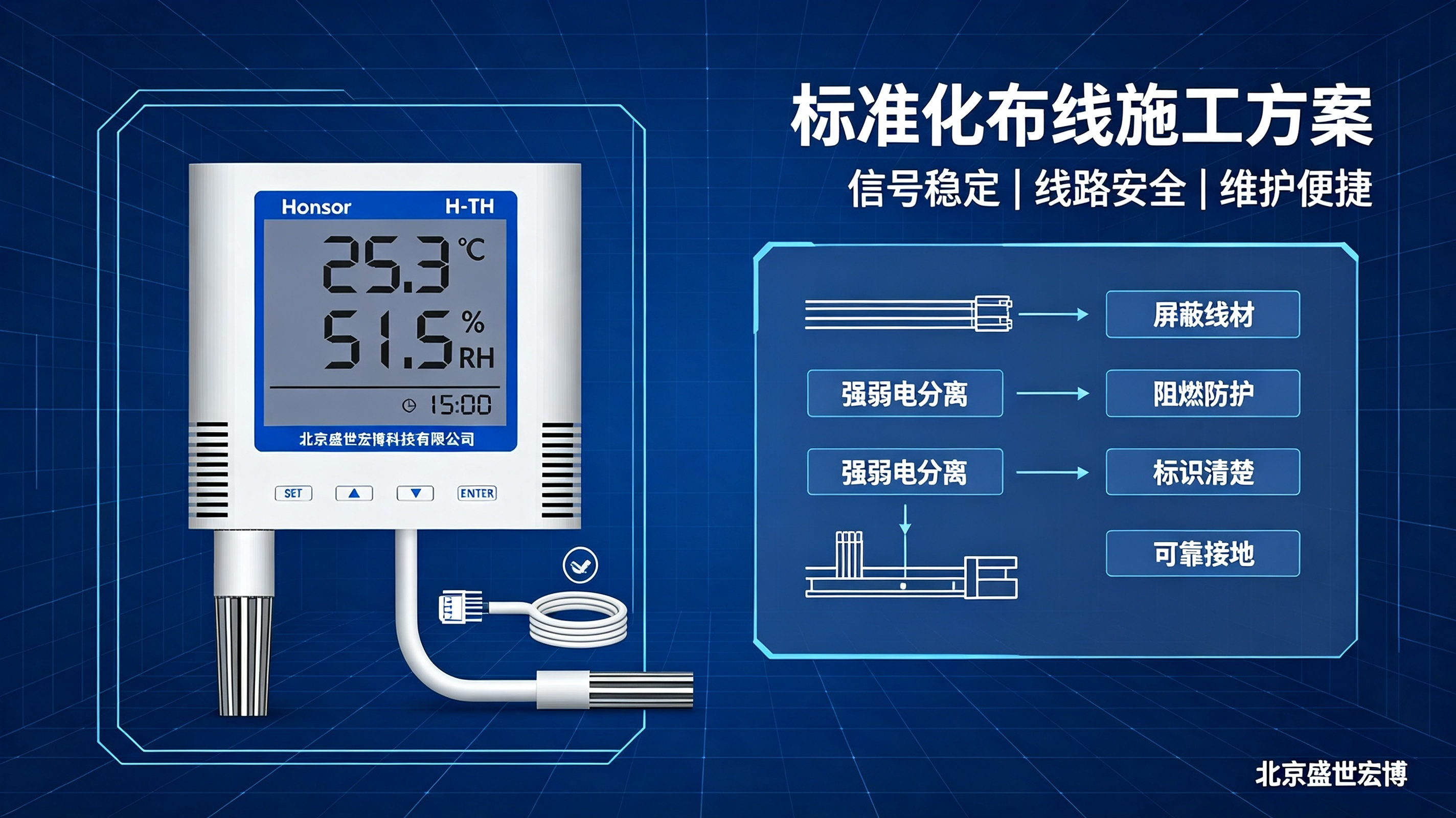
一、为什么要在同一台变送器里同时跑两个协议
先说清楚场景:这不是"二选一"的纠结,而是物理层复用、传输层分工。
以太网温湿度变送器(W5500 / LAN8720 + STM32F407)
  ├── Modbus TCP Server(端口 502)
  │     用途:网关周期轮询,拉取全量寄存器
  │     特点:可靠、有序、有连接状态
  │
  └── UDP Server(端口 161 / 自定义 9000)
        用途:SNMP Trap 推送 / 私有协议广播
        特点:无连接、低开销、事件触发秒级上报
共存不是重复造轮子,而是各干各的活:
- Modbus TCP 管"全量基线"——温度、湿度、露点、状态、质量戳,30s/60s 一轮
- UDP 管"事件快报"——越限瞬间、探头断开、设备重启,不等轮询,毫秒级推送
两个协议跑在同一颗 MCU、同一块 PHY 芯片、同一个 IP 地址上,共享 MAC 层发送队列。这才是"共存设计"要解决的真正问题。
二、报文结构对比:从 MAC 头到应用数据
用 Wireshark 抓同一台 POE 温湿度变送器(IP: 10.10.10.15)的两种报文,逐层拆开看。
2.1 MAC 层(完全相同)
Ethernet II, Src: 00:08:dc:ab:cd:ef (W5500 MAC)
           Dst: 00:0c:29:11:22:33 (Gateway MAC)
           Type: 0x0800 (IPv4)
两种协议在 MAC 层没有任何区别——都是标准的 IEEE 802.3 帧。区别从 IP 层开始。
2.2 IP 层(几乎相同,TTL 和 Checksum 不同)
Internet Protocol Version 4
  0100 .... = Version: 4
  .... 0101 = Header Length: 20 bytes
  Differentiated Services Field: 0x00
  Total Length: 60 (Modbus TCP) / 48 (UDP)
  Identification: 0x1a2b
  Flags: 0x40 (Don't Fragment)
  Time to Live: 64
  Protocol: 6 (TCP) / 17 (UDP)        ← 唯一关键差异
  Header Checksum: 0x3c4d [correct]
  Source Address: 10.10.10.15 (变送器)
  Destination Address: 10.10.10.100 (网关)
2.3 传输层:TCP vs UDP(核心差异)
Modbus TCP(端口 502):
Transmission Control Protocol
  Source Port: 502
  Destination Port: 49152 (网关临时端口)
  Sequence Number: 12345
  Acknowledgment Number: 67890
  Header Length: 32 bytes (含 Options)
  Flags: 0x018 (PSH, ACK)
  Window Size: 8192
  Checksum: 0x9a8b [correct]
  Options:
    Maximum segment size: 1460
    Window scale: 2
    SACK permitted
UDP(端口 9000,私有协议):
User Datagram Protocol
  Source Port: 9000
  Destination Port: 9000
  Length: 28
  Checksum: 0x7f6e [correct]
对比总结:
字段 | Modbus TCP | UDP |
|---|---|---|
头部大小 | 32 bytes(含 Options) | 8 bytes |
连接状态 | 有(SYN/ACK/FIN) | 无 |
序列号 | 有(防乱序、重排) | 无 |
确认机制 | ACK(可靠) | 无 |
流量控制 | 滑动窗口 | 无 |
拥塞控制 | 慢启动/拥塞避免 | 无 |
重传 | 自动(RTO) | 应用层自己做 |
2.4 应用层数据
Modbus TCP ADU(应用数据单元):
MBAP Header (7 bytes):
  Transaction ID: 0x0001    ← 网关请求和传感器响应配对的关键
  Protocol ID: 0x0000       ← 永远是 0
  Length: 0x0006            ← 后面字节数
  Unit ID: 0x01             ← 从站地址

PDU:
  Function Code: 0x04       ← Read Input Registers
  Starting Address: 0x0000
  Quantity: 0x0005          ← 读 5 个寄存器

响应:
  Transaction ID: 0x0001    ← 和请求一致
  Protocol ID: 0x0000
  Length: 0x000d
  Unit ID: 0x01
  Function Code: 0x04
  Byte Count: 0x0a          ← 10 bytes (5 registers × 2)
  Registers:
    0x00e2 → 22.6℃ (×0.1)
    0x0216 → 53.4%RH (×0.1)
    0x00c3 → 19.5℃ 露点
    0x0001 → 状态正常
    0x0000 → 质量 OK
UDP 私有协议(自定义帧):
Header (8 bytes):
  Magic: 0xAA55            ← 帧同步头
  Version: 0x01
  Sensor ID: 0x00010023    ← 设备唯一 ID
  Payload Len: 0x0010      ← 16 bytes

Payload (16 bytes):
  Timestamp: 0x5f3a_2c1b   ← 采集时间(Unix 32-bit)
  Temperature: 0x00e2      ← 22.6℃ (×0.1, int16)
  Humidity: 0x0216         ← 53.4%RH (×0.1, int16)
  Dew Point: 0x00c3        ← 19.5℃ (×0.1, int16)
  Alert Flags: 0x0001      ← bit0=高温, bit1=高湿
  CRC16: 0x8f4e            ← 校验

总计:8 + 16 = 24 bytes 应用数据
关键差异:Modbus TCP 的 Transaction ID 是"请求-响应配对"的唯一依据;UDP 没有这个机制,必须靠应用层 Magic + Sensor ID + Timestamp 来配对和去重。
三、Wireshark 抓包实战
3.1 抓包命令
# 在边缘网关上抓指定传感器的双向流量
sudo tcpdump -i eth0 host 10.10.10.15 -w capture.pcap

# 或者只抓 Modbus TCP
sudo tcpdump -i eth0 host 10.10.10.15 and port 502 -w modbus.pcap

# 只抓 UDP
sudo tcpdump -i eth0 host 10.10.10.15 and port 9000 -w udp.pcap
3.2 Wireshark 显示过滤器
# Modbus TCP 读请求
modbus.func_code == 4

# Modbus TCP 响应
modbus && !tcp.flags.syn && !tcp.flags.fin

# UDP 越限 Trap
udp.port == 9000 && data[0:2] == aa:55

# TCP 重传(排查连接问题)
tcp.analysis.retransmission

# 零窗口(接收方缓冲区满)
tcp.analysis.zero_window

# 连接重置(对端强制断开)
tcp.flags.reset == 1
3.3 典型抓包场景分析
场景 1:正常轮询(Modbus TCP)
No.  Time        Source          Destination     Protocol Length Info
1    0.000000    10.10.10.100   10.10.10.15     TCP      74     49152 → 502 [SYN]
2    0.000218    10.10.10.15    10.10.10.100    TCP      74     502 → 49152 [SYN, ACK]
3    0.000312    10.10.10.100   10.10.10.15     TCP      66     49152 → 502 [ACK]
4    0.000401    10.10.10.100   10.10.10.15     Modbus   72     Read Input Registers
5    0.000892    10.10.10.15    10.10.10.100    TCP      66     502 → 49152 [ACK]
6    0.000901    10.10.10.15    10.10.10.100    Modbus   86     Response
7    0.001234    10.10.10.100   10.10.10.15     TCP      66     49152 → 502 [FIN, ACK]
8    0.001456    10.10.10.15    10.10.10.100    TCP      66     502 → 49152 [FIN, ACK]
9    0.001523    10.10.10.100   10.10.10.15     TCP      66     49152 → 502 [ACK]

往返时间:~0.9ms(局域网内)
场景 2:UDP Trap 越限推送
No.  Time        Source          Destination     Protocol Length Info
10   5.230000    10.10.10.15    10.10.10.100    UDP      82     Source port: 9000
   Data: aa 55 01 00 01 00 23 10 5f 3a 2c 1b 00 e2 02 16
         00 c3 00 01 8f 4e
场景 3:TCP 连接被重置(真实翻车)
No.  Time        Source          Destination     Protocol Length Info
15   30.500000   10.10.10.100   10.10.10.15     TCP      74     49153 → 502 [SYN]
16   30.500218   10.10.10.15    10.10.10.100    TCP      74     502 → 49153 [RST, ACK]
→ 传感器 Modbus Server 连接池满了(低端 MCU 只支持 1–2 个并发 TCP 连接),拒绝新连接。这就是前面几篇提到的"三机抢资源"的底层原因。
四、MCU 侧共存设计(STM32F407 + LWIP)
4.1 LWIP 协议栈配置
// lwipopts.h
#define LWIP_TCP               1
#define LWIP_UDP               1
#define TCP_MSS                1460
#define TCP_SND_BUF            4096
#define TCP_WND                4096
#define MEMP_NUM_TCP_PCB       4       // TCP 连接数上限
#define MEMP_NUM_UDP_PCB       2       // UDP 监听数
#define PBUF_POOL_SIZE         16      // 内存池大小
#define PBUF_POOL_BUFSIZE 256 // 每个 pbuf 大小关键问题:TCP 和 UDP 共享 LWIP 的 pbuf 内存池。如果 UDP 广播风暴把池子占满,TCP 的 SYN 都分配不到内存,连接直接失败。
4.2 接收线程分离
// 两个独立任务,不同优先级
void modbus_tcp_task(void *arg) {
    struct netconn *conn = netconn_new(NETCONN_TCP);
    netconn_bind(conn, IP_ADDR_ANY, 502);
    netconn_listen(conn);
    while (1) {
        struct netconn *client;
        netconn_accept(conn, &client);
        handle_modbus_request(client);  // 处理完后关闭
    }
}

void udp_trap_task(void *arg) {
    struct netconn *conn = netconn_new(NETCONN_UDP);
    netconn_bind(conn, IP_ADDR_ANY, 9000);
    while (1) {
        struct netbuf *buf;
        netconn_recv(conn, &buf);       // 接收 UDP 数据
        handle_udp_frame(buf);          // 解析后触发 Trap 发送
        netbuf_delete(buf);
    }
}
4.3 发送队列优先级
发送优先级(从高到低):
  1. UDP Trap(越限事件,最高优先,不等 TCP)
  2. Modbus TCP 响应(已建立的连接,必须及时回复)
  3. UDP 心跳/广播(最低优先,可丢)

实现方式:
  - LWIP 的 tcp_output() 和 udp_send() 共享底层 MAC 发送
  - 在应用层给 UDP Trap 设独立发送缓冲区,绕过 pbuf 池竞争
  - 或给 Trap 帧设 VLAN Priority Tag (802.1p, PRI=7)
五、Python 侧双协议并发采集
import asyncio
from pymodbus.client import AsyncModbusTcpClient
import socket
import struct

# Modbus TCP 轮询(已有实现,略)
# UDP Trap 接收(独立协程)

UDP_LISTEN_PORT = 9000
SENSORS = {}  # ip → sensor_info

def parse_udp_frame(data):
    """解析 UDP 私有协议帧"""
    if len(data) < 24:
        return None
    magic, version, sensor_id, payload_len = struct.unpack('>HBHI', data[:8])
    if magic != 0xAA55:
        return None
    payload = data[8:8+payload_len]
    ts, temp_raw, hum_raw, dew_raw, alert_flags, crc = struct.unpack(
        '>IhhhHI', payload)
    return {
        'sensor_id': sensor_id,
        'collect_ts': ts,
        'temperature': temp_raw * 0.1,
        'humidity': hum_raw * 0.1,
        'dew_point': dew_raw * 0.1,
        'alert_flags': alert_flags,
        'crc_ok': verify_crc(data[8:8+payload_len-2], crc),
    }

async def udp_trap_listener():
    """UDP Trap 监听协程"""
    loop = asyncio.get_running_loop()
    sock = socket.socket(socket.AF_INET, socket.SOCK_DGRAM)
    sock.setsockopt(socket.SOL_SOCKET, socket.SO_REUSEADDR, 1)
    sock.bind(('0.0.0.0', UDP_LISTEN_PORT))
    sock.setblocking(False)

    while True:
        try:
            data, addr = await loop.sock_recvfrom(sock, 1024)
            frame = parse_udp_frame(data)
            if frame and frame['crc_ok']:
                # 立即上云,QoS=1
                await publish_trap(frame, addr[0])
                # 同时加速该传感器的 Modbus 轮询
                accelerate_poll(addr[0])
        except Exception as e:
            print(f"UDP parse error: {e}")

async def main():
    # 启动 UDP 监听
    udp_task = asyncio.create_task(udp_trap_listener())
    # 启动 Modbus TCP 轮询
    modbus_task = asyncio.create_task(poll_all(SENSORS, interval=30))
    await asyncio.gather(udp_task, modbus_task)
六、InfluxDB 时序存储:双通道数据如何存
# 写入 InfluxDB(asyncio + aiohttp)
import aiohttp

INFLUX_URL = "http://influx:8086/api/v2/write"
INFLUX_BUCKET = "archive_env"
INFLUX_ORG = "archive"
INFLUX_TOKEN = "xxx"

async def write_influx(point):
    """point: InfluxDB line protocol string"""
    async with aiohttp.ClientSession() as session:
        async with session.post(
            INFLUX_URL,
            params={"bucket": INFLUX_BUCKET, "org": INFLUX_ORG},
            headers={"Authorization": f"Token {INFLUX_TOKEN}"},
            data=point,
        ) as resp:
            if resp.status != 204:
                print(f"Influx write failed: {resp.status}")

def build_line_protocol(sensor_id, measurement, fields, tags=None, ts=None):
    """构建 InfluxDB 行协议"""
    tag_str = ",".join(f"{k}={v}" for k, v in (tags or {}).items())
    field_str = ",".join(f"{k}={v}" for k, v in fields.items())
    ts_str = f" {ts}" if ts else ""
    return f"{measurement},{tag_str} {field_str}{ts_str}"

# Modbus TCP 数据写入
point = build_line_protocol(
    sensor_id="th-001",
    measurement="environment",
    tags={"zone": "room3", "protocol": "modbus_tcp"},
    fields={
        "temperature": 22.6,
        "humidity": 53.4,
        "dew_point": 19.5,
        "quality": 0,
    },
    ts=int(time.time() * 1e9),  # 纳秒时间戳
)
await write_influx(point)

# UDP Trap 数据写入(带 replay 标记)
point = build_line_protocol(
    sensor_id="th-001",
    measurement="alert_event",
    tags={"zone": "room3", "protocol": "udp_trap", "source": "edge"},
    fields={
        "temperature": 22.8,
        "humidity": 65.2,
        "alert_flags": 1,
        "replay": False,
    },
    ts=collect_ts_ns,  # 用采集时间,不用到达时间
)
await write_influx(point)
七、共存设计的 5 个关键经验
- 内存池隔离:LWIP 的
pbuf池要够大,或者给 UDP Trap 开独立 DMA 缓冲区,防止 TCP 和 UDP 互抢内存导致连接重置。 - 发送带宽仲裁:UDP 广播/ Trap 不能无限制发包。设速率限制(如每秒最多 10 个 Trap 帧),避免 UDP 风暴把交换机端口堵死,间接影响 Modbus TCP。
- TCP 连接数限制:低端 MCU 的 Modbus Server 通常只支持 1–2 个并发 TCP 连接。网关侧要做好连接池管理,不要同时开多个连接。
- Wireshark 是你的眼睛:上线前必做抓包验证——确认 TCP 三次握手正常、Transaction ID 不重复、UDP 帧 CRC 正确、没有 RST 包。
- 时间一致性:UDP Trap 里的
collect_ts是传感器本地时间。网关侧要做时间偏移校准(NTP 校时后计算偏移量),否则补传数据时间错乱。
八、一句话总结
Modbus TCP 和 UDP 在同一台以太网温湿度变送器里共存,不是简单的"两个端口同时监听",而是 MAC 层共享、传输层分工、应用层互补的工程平衡。 TCP 管全量可靠,UDP 管事件秒级,Wireshark 验证,InfluxDB 统一存储,边缘网关做时间对齐和去重——这才是高并发机房监控里经得起生产考验的双协议架构。
物联网 #Modbus #TCP/IP #UDP #POE供电 #腾讯云 #Wireshark #Python #InfluxDB #以太网温湿度传感器 #网口温湿度变送器 #机房监控
下一篇候选:
- 《LWIP 协议栈调优实战:pbuf 池大小、TCP 窗口与 UDP 缓冲区在温湿度变送器中的参数配置》
- 《InfluxDB 时序数据去重与补传合并:双通道数据在云端如何按采集时间对齐》
- 《Wireshark 抓包排错手册:Modbus TCP 连接重置、UDP 丢包、交换机风暴的现场定位方法》
原创声明:本文系作者授权腾讯云开发者社区发表,未经许可,不得转载。
如有侵权,请联系 cloudcommunity@tencent.com 删除。
目录
腾讯云开发者

Copyright © 2013 - 2026 Tencent Cloud. All Rights Reserved. 腾讯云 版权所有
深圳市腾讯计算机系统有限公司 ICP备案/许可证号:粤B2-20090059  粤公网安备44030502008569号
腾讯云计算(北京)有限责任公司 京ICP证150476号 | 京ICP备11018762号